
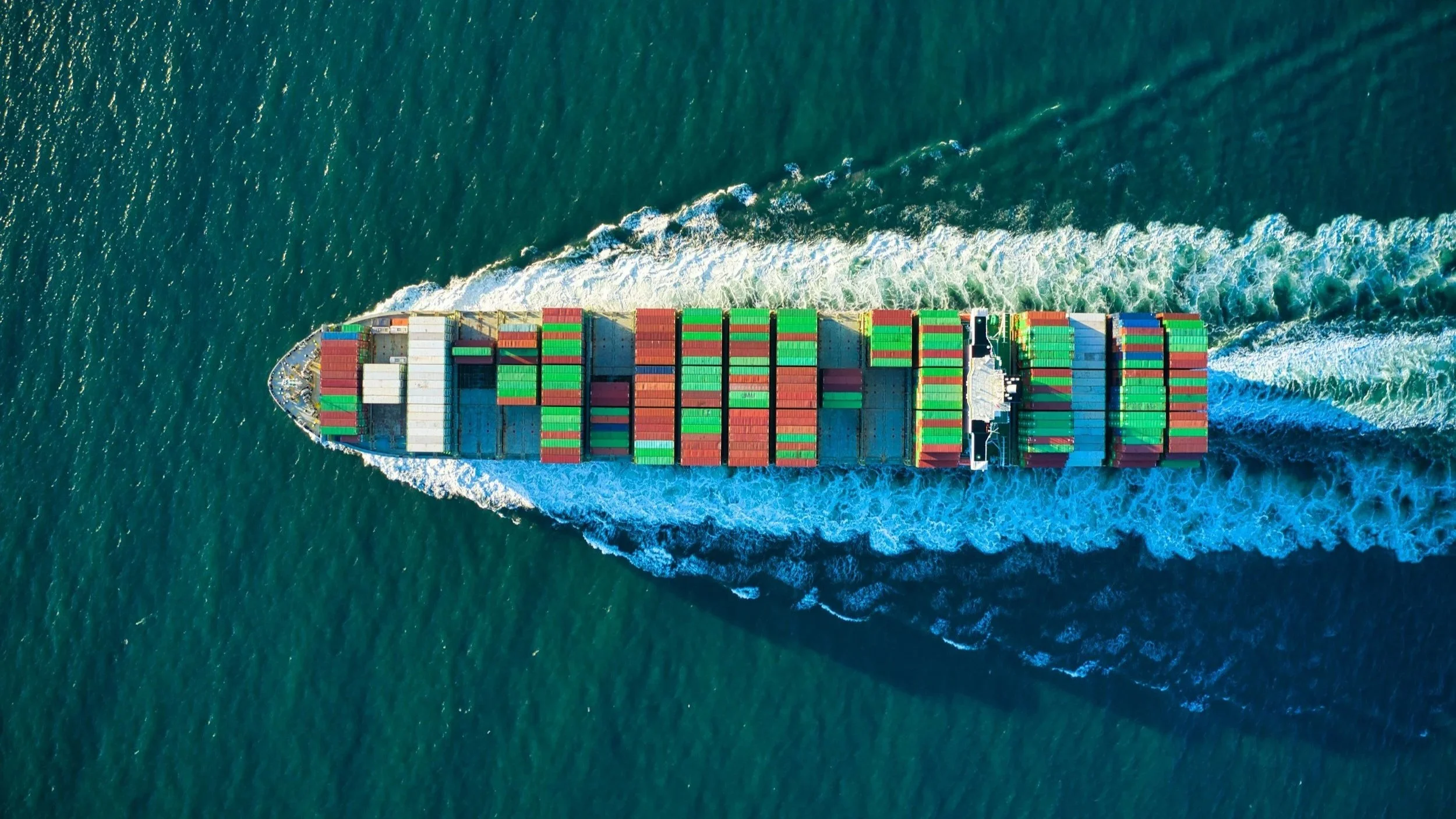
Beyond the QR Code: Vietnam’s Push for Traceable Agricultural Exports
The harder task is making the data work across borders.
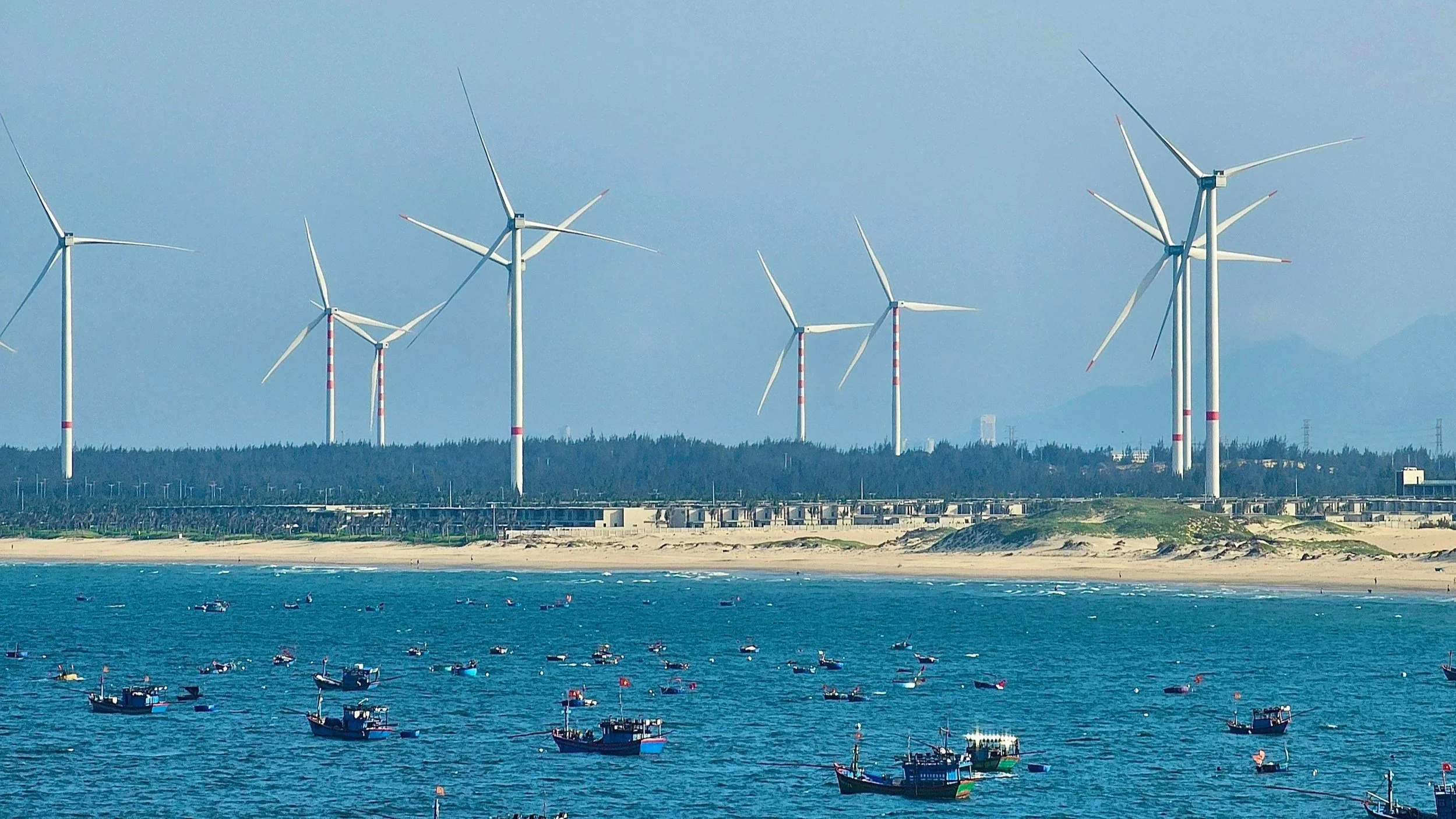
Vietnam’s Blue Economy Needs More than Ports and Ships
Resolution 20 shows Vietnam needs marine governance, institutions and experts – and Australia is well placed to help.

Making the Gains of Mekong Cooperation Visible
Mekong cooperation is limited because the benefits of joint action are not clearly quantified or integrated into national decision-making. A ‘cooperation dividend’ approach would measure the economic gains and losses of cooperative versus non-cooperative pathways, including their distribution across countries and sectors. This evidence could guide investment, improve negotiations and support coordinated management of water, infrastructure and ecosystems. Strengthening shared metrics would align national incentives with basin-wide outcomes and deepen regional cooperation.

Towards AI Policy for the Asia-Pacific
Dr Nhat-Mai Nguyen (Mai Nguyen), Deputy Director of the Hub for Vietnam Policy Studies at the Australian National University, examines the emerging policy challenges of artificial intelligence across the Asia-Pacific. She argues that moving from AI strategy to risk-based, human-centred governance is critical to harnessing AI for public value, while highlighting the opportunities and challenges for Vietnam.
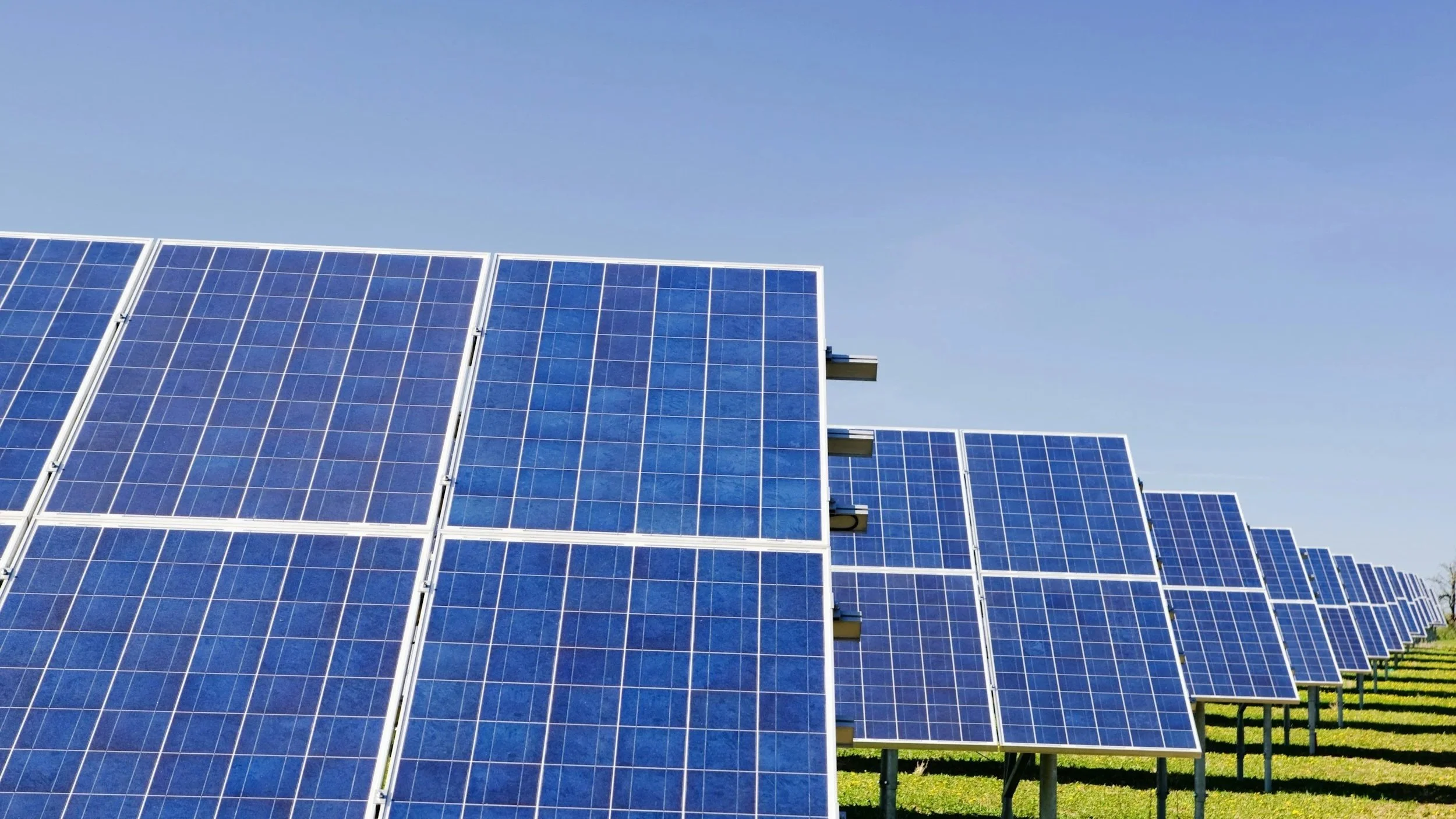
Energy Shocks and Energy Security: Lessons for Vietnam
Vietnam is not simply adopting a textbook ETS. Instead, it is building a: “state-embedded carbon market”, combining market incentives with strong institutional control.
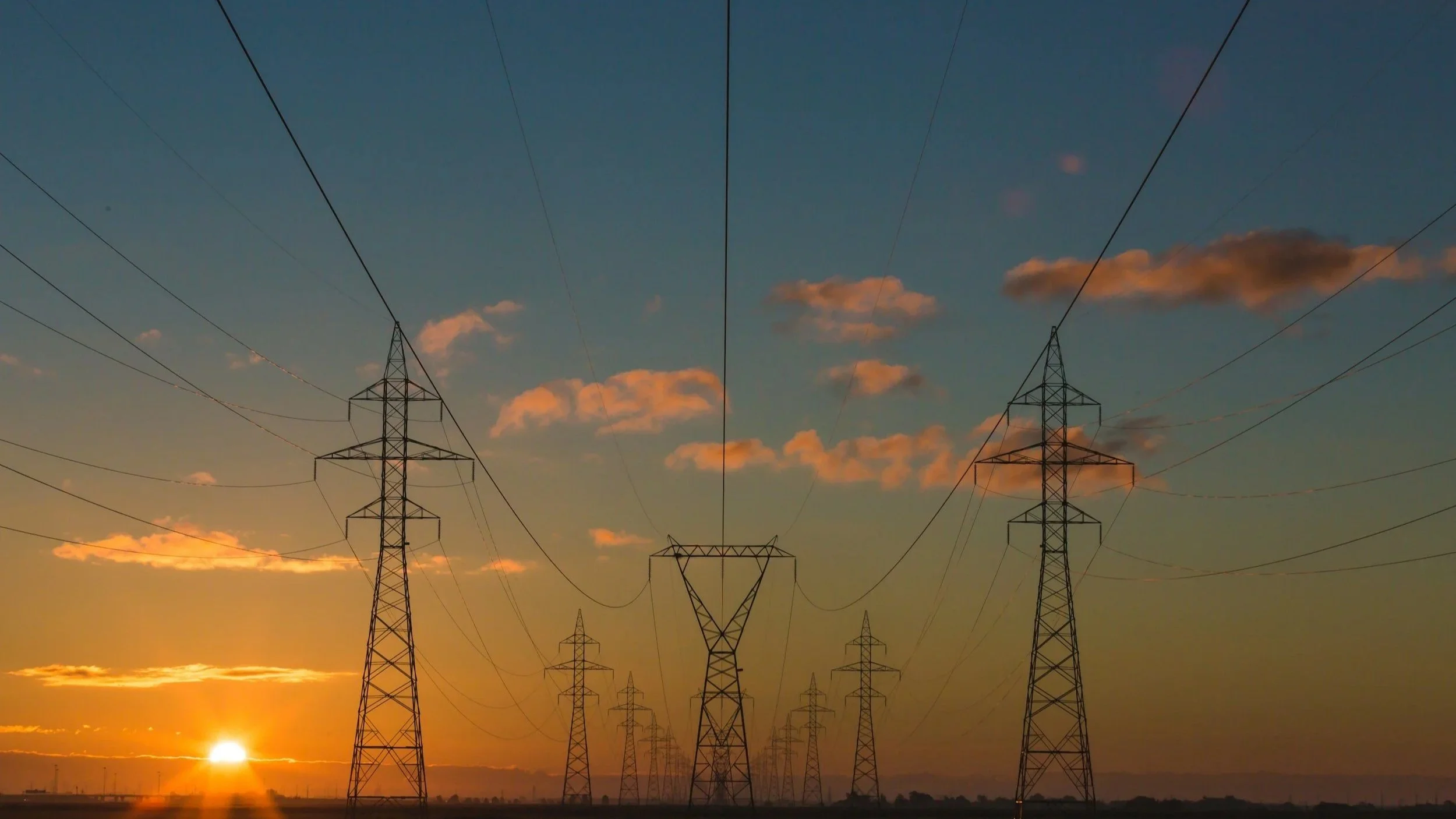
Policy insight: Vietnam Carbon Market Development
Recent geopolitical tensions, particularly in the Middle East, are once again exposing the vulnerability of global energy systems. For Vietnam—an increasingly energy-importing economy—these developments highlight a deeper issue: energy security is no longer just about ensuring supply, but about managing exposure to volatility.
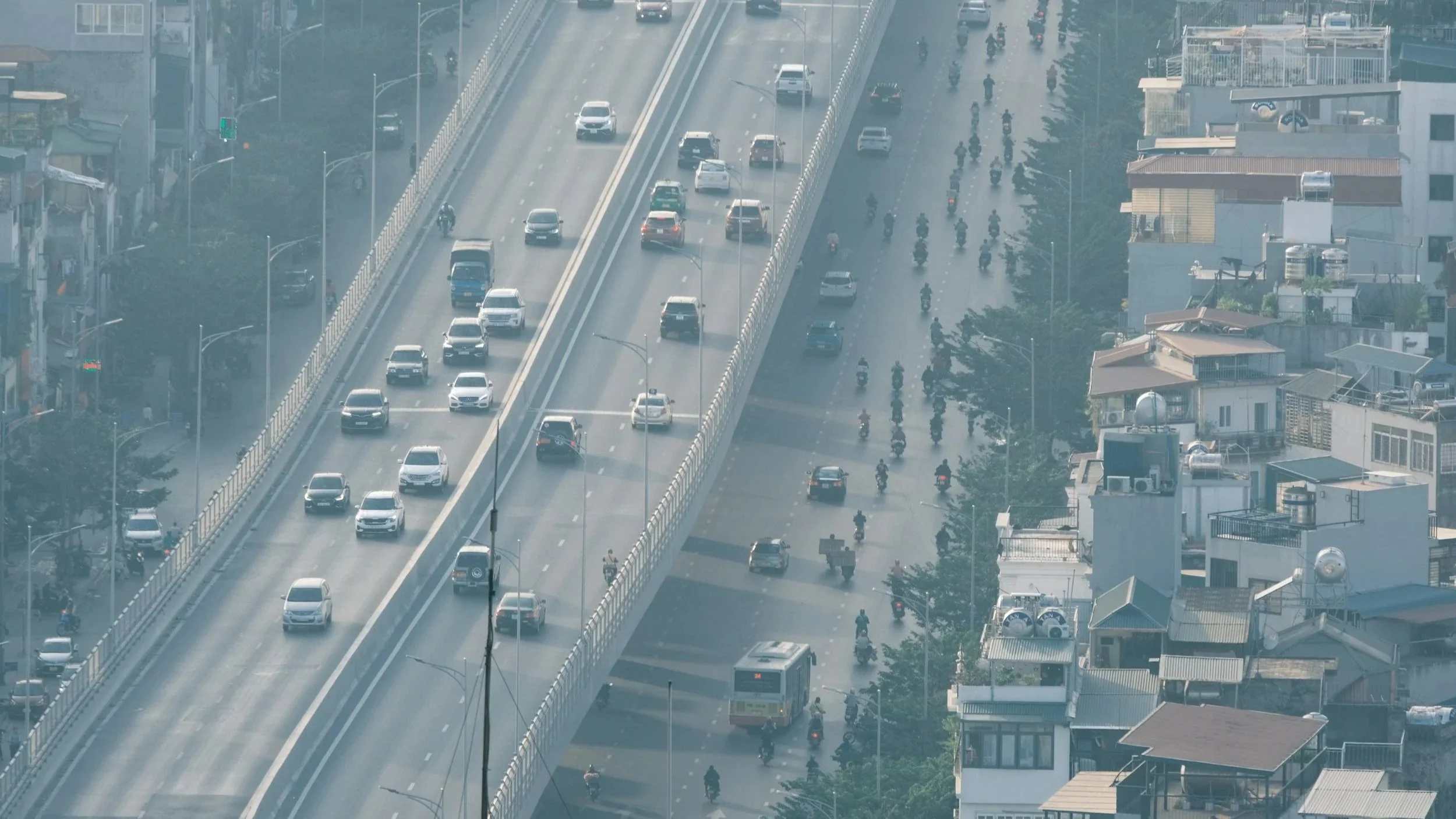
Beyond Hanoi: Vietnam’s Air Pollution Needs a National Fix
Key Insights
· Up to 65% of Hanoi’s air pollution comes from outside the city.
· Current urban measures are necessary but insufficient on their own.
· Agriculture and informal recycling are major, under-regulated sources.
· Vietnam’s carbon market (2025–2029) is a critical policy lever.
· A coordinated national strategy is essential for lasting impact.

Vietnam's Trade Strategy in a More Protectionist Era
Few trading relationships are as asymmetrical — and as strategically significant — as that between Vietnam and the United States. Over the past decade, the United States has become Vietnam’s single most important export market, accounting for 30 per cent of total exports in 2024. Bilateral trade reached US$135 billion last year, with Vietnam recording an unprecedented US$105 billion trade surplus. Exports to the United States now represent nearly 30 per cent of Vietnam’s Gross Domestic Product (GDP), leaving the economy acutely vulnerable to shifts in US trade policy. The Trump-Tariff World underscores the risks of such dependence.